Cold & Flu Prevention
Cold & Flu
There are three main ways to help prevent flu infections: yearly flu vaccines, antiviral medications, and following good health habits.
Flu Vaccines
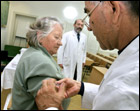
The best chance for flu prevention is to receive the flu vaccine each year. Vaccines work by causing the body to create antibodies against the flu virus, which prevent influenza virus infections. Each year, scientists predict the strains of influenza that are most likely to spread in the upcoming flu season. These strains are added to the vaccine for that year. When the predicted strains are well-matched with the strains that do spread most, the vaccines reduce the chances of getting the flu by 70% to 90% in healthy adults.
There are two types of vaccines: the flu shot and the nasal-spray flu vaccine.
- Flu shot:
- this vaccine is administered via an injection into the patient's arm, and is approved for anyone 6 months or older. This vaccine is "inactivated," meaning it contains killed influenza viruses.
- Nasal-spray flu vaccine:
- also called LAIV (for "live attenuated influenza vaccine" or FluMist®), this vaccine contains live, weakened flu viruses and is administered via nasal spray. It is approved for healthy, non-pregnant people between 2 and 49 years of age.
For more information on vaccines, visit the Centers for Disease Control web site on the seasonal flu vaccines.
Courtesy: Centers for Disease Control and Prevention
Antiviral Medications

Flu prevention is also possible by taking antiviral medications. Antiviral drugs reduce the flu viruses’ ability to reproduce, helping to treat existing flu infections and to prevent further ones. Antiviral drugs are not as effective as nor are a substitute for flu vaccines, but they are 70% to 90% effective. For the 2007 – 2008 flu season, two flu antiviral drugs are recommended:
- Tamiflu®
- - approved to treat and prevent flu for anyone one year or older
- Relenza®
- - approved to treat flu in people 7 years or older, and to prevent flu for anyone 5 years or older.
Antiviral drugs can reduce flu symptoms and reduce the time you are sick if taken as prescribed – for 5 days, starting within 2 days of becoming sick. They may also make you less contagious and reduce the risk for serious complications. Consult with your doctor to see if antiviral medications are right for you.
Courtesy: Centers for Disease Control and Prevention
Good Health Habits
Follow these health tips to lessen your chances of contracting the flu:
- Avoid close contact with sick people.
- If you are sick, stay home from work / school / errands to prevent the spread of the disease.
- When coughing or sneezing, cover your mouth and nose. If you use a tissue, make sure to throw it away when finished with it.
- Wash your hands with soap and water often to prevent the spread of germs.
- Avoid touching your eyes, nose, and mouth as much as possible in case you have touched a contaminated surface.
- Maintain a healthy lifestyle – get plenty of sleep, exercise regularly, minimize stress, drink plenty of fluids, and eat a healthy diet.
Courtesy: Centers for Disease Control and Prevention


- Cold vs Flu
- Learn the differences between the flu and the common cold.


WeatherBug Featured Content

View live traffic camera images from cities around the U.S.


Sponsored Content
More Cold & Flu Information


Stay Safe & Informed
New WeatherBug®Alert

Get severe weather alerts and your live local temperature when you're not on the web. Includes one-click access to additional severe weather information on WeatherBug.com. Learn More